
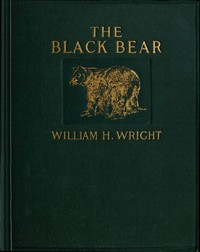
The Black Bear by William H. Wright
First things first: don't expect a traditional plot. The Black Bear is William H. Wright's firsthand account of his years studying black bears in the early 20th century. He started as a hunter, but his curiosity got the better of him. Instead of just shooting bears, he began to watch them. The book is built on his notes and experiences, following the daily and seasonal lives of the bears in their territory.
The Story
The book doesn't have a single narrative thread. Instead, it's a series of observations and stories that build a complete picture. Wright follows individual bears—giving them names like 'Sam' or 'the Old One'—through their routines. We see them forage for food, raise their cubs, interact with each other, and navigate the dangers of the forest. The 'drama' is in the small moments: a bear outsmarting a trap, a mother's fierce protection of her young, the quiet intelligence in their problem-solving. Wright acts as our guide, explaining what he sees and slowly dismantling the scary monster stories he once believed himself.
Why You Should Read It
This book won me over with its humility and wonder. Wright isn't a scientist in a lab coat; he's a guy who sat still in the woods for hours, paying attention. His writing is clear and direct, full of genuine excitement when he figures something out. The big theme here is seeing versus assuming. He shows how fear and stories can blind us to what's actually in front of us. By the end, you don't just know more about bears—you feel the weight of Wright's changed perspective. He went into the forest to conquer a beast and ended up making peace with a neighbor. It's a powerful, quiet lesson.
Final Verdict
This is a perfect read for anyone who enjoys nature writing, true adventure, or stories about changing your mind. If you liked the quiet observation in books like Pilgrim at Tinker Creek or the personal journey in Into the Wild, you'll find a kindred spirit here. It's also a great pick for history readers curious about early conservation thinking. Fair warning: it's from 1910, so some attitudes reflect that time, but Wright's core message of careful observation and respect feels incredibly fresh. Give it a chance—it's a slow, rewarding walk in the woods with a fascinating guide.
This digital edition is based on a public domain text. Access is open to everyone around the world.
Jennifer White
1 year agoHaving explored several resources on this, I find that the author manages to bridge the gap between theory and practice effectively. I'm genuinely impressed by the quality of this digital edition.
Amanda Torres
1 year agoI had low expectations initially, however the arguments are well-supported by credible references. Truly inspiring.
Donald Walker
1 year agoSimply put, the plot twists are genuinely surprising. Truly inspiring.




Richard Thompson
7 months agoI found the author's tone to be very professional yet accessible, the author doesn't just scratch the surface but goes into meaningful detail. The price-to-value ratio here is simply unbeatable.