A
AbstraktMarketing
Guest
- Thread Author
- #1
What Is a Label Face Stock?
The face stock is the top layer of a pressure-sensitive label. It’s what gets printed on and what your customer, inspector, or end user actually sees. The face stock handles everything above the adhesive bond: exposure to heat, moisture, UV light, chemicals, and physical wear. If you want a deeper look at how pressure-sensitive labels work from construction to application, that’s a great place to start before narrowing down your material choice.
When you’re ordering custom labels, the face stock choice should be driven by where the label will live after it leaves your facility. A label on a frozen food bag has very different demands than one on an outdoor fertilizer container or an industrial drum. Matching the right label material to real-world conditions is what separates a label that performs from one that fails.
Polypropylene Labels
Polypropylene is a synthetic film material and one of the most widely used face stocks in label printing today. It’s flexible, moisture-resistant, and holds up well to a range of chemicals, making it a go-to for products that encounter wet or variable conditions.
What Polypropylene Handles Well
Polypropylene labels resist moisture reliably. They won’t absorb water, wrinkle in humidity, or soften when condensation forms on the container. This makes it strong choice for:
- Beverage bottles that sit in ice buckets or coolers
- Personal care products stored in bathrooms
- Cleaning product containers exposed to splashing or wiping
- Food packaging that passes through refrigerated environments
Polypropylene labels also handle mild chemical exposure well. For products that encounter light solvents or household cleaners, polypropylene holds its print and stays intact where paper would deteriorate.
Another advantage is flexibility. Because polypropylene film can conform to curved surfaces without cracking or creasing, it performs well on squeezable containers and bottles with tapers or contours.
Where Polypropylene Falls Short
Polypropylene has temperature limits. It performs well in moderate ranges but begins to degrade when exposed to sustained high heat above roughly 200 degrees Fahrenheit. If your product spends time in ovens, autoclaves, or high-temperature industrial environments, this may not be the right material.
Polypropylene also has limited UV resistance for long-term outdoor exposure. Labels in direct sunlight for extended periods may fade or become brittle over time unless a UV-resistant overlaminate is applied.
Every label application is different, and the wrong face stock can cost you more than a reprint. USTL’s team has been matching products to the right label materials for over 70 years. Tell us about your product and we’ll help you figure out exactly what you need.
Find Your Label
Polyester Labels
Polyester is the workhorse of demanding label applications. It resists heat, UV exposure, chemicals, and physical abrasion at a level polypropylene and paper simply can’t match.
What Polyester Handles Well
Polyester is the go-to face stock for harsh environment labeling. Its resistance profile covers:
Heat
Polyester retains its integrity at temperatures well above what polypropylene can withstand. It’s commonly specified for automotive under-hood labels, industrial equipment, and applications involving steam or high-heat sterilization.
Chemicals
Polyester resists oils, fuels, solvents, and acids. For labels on chemical drums, laboratory containers, or automotive fluids, polyester is the standard material of choice.
UV exposure
Polyester holds up significantly better in direct sunlight than polypropylene or paper, making it suitable for outdoor equipment tags, agricultural labels, and exterior asset identification.
Abrasion
The rigid surface of polyester film withstands scratching and physical wear that would damage softer materials, which matters in warehouse, manufacturing, and distribution environments.
Where Polyester Falls Short
Polyester is more expensive than polypropylene or paper, so using it for short-term or indoor applications adds unnecessary cost. Its rigidity also makes it less forgiving on extremely curved or squeezable surfaces where a flexible film is needed to conform without flagging.
For most consumer packaged goods in standard environments, polyester is more than what the application requires. It’s durable for demanding conditions and may not be required for all products.
Paper Labels
Paper is the original label material and remains one of the most widely used face stocks in label printing. It’s cost-effective, easy to print on, and well-suited for a wide range of standard applications.
What Paper Handles Well
Paper labels are ideal when the environment is controlled and conditions are dry. They work well for:
- Retail packaging stored and sold indoors
- Dry goods, pantry foods, and shelf-stable products
- Shipping and logistics labels with short lifecycles
- Applications where cost efficiency is a priority and durability requirements are minimal
Paper also tends to have excellent print quality for certain processes, particularly flexographic printing, where ink adhesion and color saturation on paper stock can produce vivid, detailed results.
Coated paper options (gloss or matte) improve print sharpness and offer modest resistance to surface scuffs, making them a popular choice for food labels, health and beauty products, and branded packaging that prioritizes appearance in a controlled environment.
Where Paper Falls Short
Paper absorbs moisture. When a paper label encounters humidity, condensation, water exposure, or even ambient moisture over time, the material softens, the adhesive can weaken, and print quality degrades. Paper labels are not suited for:
- Products stored in refrigerators or freezers
- Outdoor applications with UV or rain exposure
- Industrial or chemical environments
- Anything that requires long-term durability beyond a controlled storage and retail setting
If your application involves any of the above, moving to a film material like polypropylene or polyester will protect your investment in label printing and your product’s shelf presentation.
Choosing the Right Label Material for Your Application
A quick framework for narrowing down your face stock comes down to three questions:
- What environment does the label live in? Outdoor, refrigerated, high-heat, chemical-exposed, or dry indoor storage each points to a different material.
- How long does the label need to last? Short-term logistics labels have different requirements than permanent compliance or asset labels.
- What are the cost and performance trade-offs? Paper is the most economical. Polypropylene balances cost and durability for most consumer applications. Polyester is the premium specification for demanding conditions.
Get the Right Label Materials Through USTL
Selecting the right face stock is one part of a broader label printing decision that includes adhesive type, print process, finish, and application method. At USTL, we work through all of those variables with our customers to deliver custom labels that perform every time.
Whether you’re working with polypropylene for a beverage line, polyester for industrial compliance labels, or coated paper for retail packaging, our team can match your product to the right material spec and production process.
Learn more about our label printing services or contact USTL to start a conversation about your next label project.
Share This Post
- Share on Facebook
- Share on X
- Share on WhatsApp
- Share on Pinterest
- Share on LinkedIn
- Share on Tumblr
- Share on Vk
- Share on Reddit
- Share by Mail
More Like This

Label Solutions/Types
How Pressure-Sensitive Labels Support Short-Run and Seasonal Product Launches
https://ustl.com/wp-content/uploads...t-Short-Run-and-Seasonal-Product-Launches.jpg 1250 2000 AbstraktMarketing https://ustl.com/wp-content/uploads/2026/10/October-2026-Logo-300x133.jpg AbstraktMarketing2026-07-30 14:36:052026-07-30 14:36:10How Pressure-Sensitive Labels Support Short-Run and Seasonal Product Launches
Label Solutions/Types
Waterproof Labels: Materials, Inks, and Industries That Rely on Them
https://ustl.com/wp-content/uploads/2024/03/embossed-labels-1.webp 1367 2048 AbstraktMarketing https://ustl.com/wp-content/uploads/2026/10/October-2026-Logo-300x133.jpg AbstraktMarketing2026-06-03 17:40:402026-06-03 17:40:43Waterproof Labels: Materials, Inks, and Industries That Rely on Them
Label Solutions/Types
How Container Shape Impacts Label Application Success
https://ustl.com/wp-content/uploads...r-Shape-Impacts-Label-Application-Success.jpg 1250 2000 AbstraktMarketing https://ustl.com/wp-content/uploads/2026/10/October-2026-Logo-300x133.jpg AbstraktMarketing2026-04-01 08:47:542026-06-02 15:26:57How Container Shape Impacts Label Application Success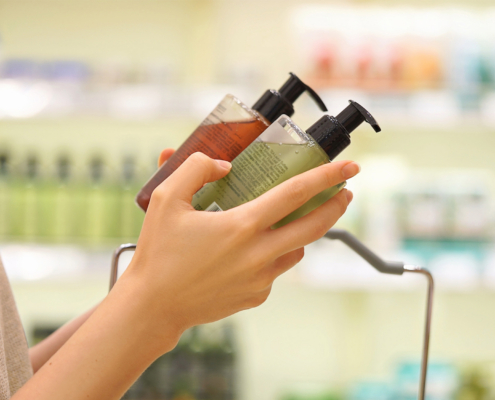
Label Solutions/Types
Waterproof Labels for Health & Beauty: Best Materials for Bathroom Environments
https://ustl.com/wp-content/uploads...ing-skincare-or-body-care-liquid-products.jpg 1250 2000 AbstraktMarketing https://ustl.com/wp-content/uploads/2026/10/October-2026-Logo-300x133.jpg AbstraktMarketing2026-03-25 18:42:572026-06-02 15:26:58Waterproof Labels for Health & Beauty: Best Materials for Bathroom Environments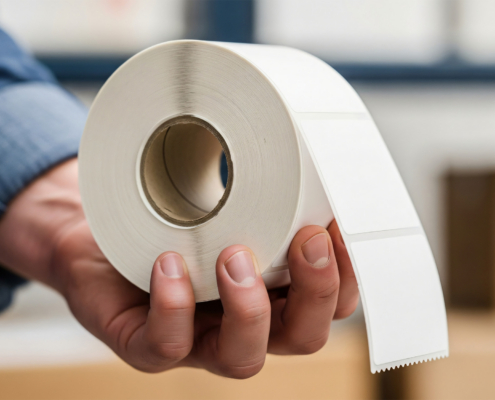
Label Solutions/Types
Adhesive Labels: How to Choose the Right Adhesive for Your Container Material
https://ustl.com/wp-content/uploads/2026/03/A-Guide-to-Label-Adhesives.jpg 1250 2000 AbstraktMarketing https://ustl.com/wp-content/uploads/2026/10/October-2026-Logo-300x133.jpg AbstraktMarketing2026-03-09 10:31:282026-07-30 14:36:25Adhesive Labels: How to Choose the Right Adhesive for Your Container Material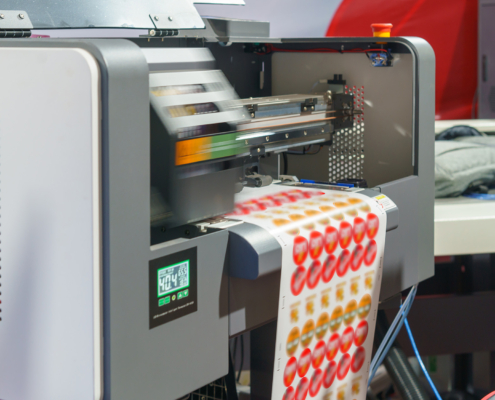
Label Solutions/Types
The Competitive Edge Full-Service Label Solutions Provide Regulated Industries
https://ustl.com/wp-content/uploads/2025/11/Tape-Labels-being-printed.jpg 1250 2000 AbstraktMarketing https://ustl.com/wp-content/uploads/2026/10/October-2026-Logo-300x133.jpg AbstraktMarketing2025-11-06 11:54:462026-06-02 15:27:01The Competitive Edge Full-Service Label Solutions Provide Regulated Industries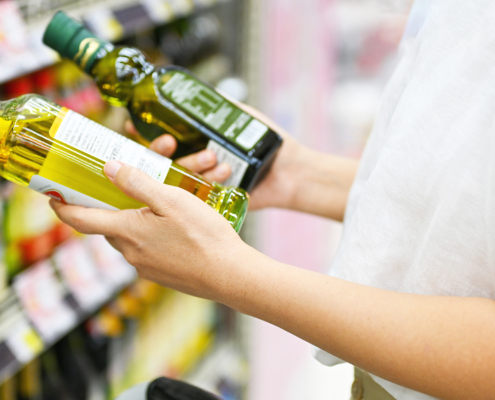
Branding, Label Solutions/Types
The Impact of Product Labeling on Consumer Purchasing Decisions
https://ustl.com/wp-content/uploads/2025/02/Impact-of-Labeling-on-Consumer-Purchasing-Decisions_.jpg 1250 2000 AbstraktMarketing https://ustl.com/wp-content/uploads/2026/10/October-2026-Logo-300x133.jpg AbstraktMarketing2025-02-05 07:27:452026-08-20 14:30:47The Impact of Product Labeling on Consumer Purchasing Decisions
Label Solutions/Types, Specialty Labels
Harsh Environment Labels: Everything You Need to Know
https://ustl.com/wp-content/uploads/2025/02/Harsh-Environment-Labeling.jpg 1250 2000 AbstraktMarketing https://ustl.com/wp-content/uploads/2026/10/October-2026-Logo-300x133.jpg AbstraktMarketing2025-02-05 07:15:422026-06-02 15:27:03Harsh Environment Labels: Everything You Need to Know
Label Solutions/Types
Matte vs. Glossy: Which Label Finish Is Right for Your Custom Project?
https://ustl.com/wp-content/uploads...and-nutrition-information-on-juice-bottle.jpg 1250 2000 AbstraktMarketing https://ustl.com/wp-content/uploads/2026/10/October-2026-Logo-300x133.jpg AbstraktMarketing2024-12-18 09:01:192026-06-02 15:27:04Matte vs. Glossy: Which Label Finish Is Right for Your Custom Project?Previous
Previous Next
Next
The post What Is a Label Face Stock? appeared first on U.S. Tape & Label.